


Time for Transformation in Sustainability: Turkey Has No Waste to Lose
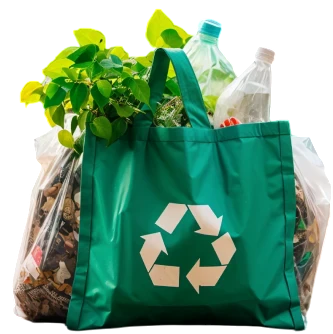
With its long-standing efforts, the ÇEVKO Foundation has played a significant role in the establishment of recycling systems in our country, as well as in fostering recycling awareness and culture within society. Founded by stakeholders who recognize their environmental and social responsibilities and uphold the principles of Extended Producer Responsibility (EPR), our Foundation has been advancing its work with ever-increasing momentum for 34 years.
In recent years, our Foundation’s main focus areas have been the “transition to a circular economy” and “combating the climate crisis,” both of which are crucial for the present and future of our planet. The global agenda is filled with threats ranging from trade wars to migration movements, from regional conflicts to economic uncertainties. However, the climate crisis remains the most urgent and far-reaching threat to humanity—both because it is directly linked to many of these issues and because its impacts persist over time. The circular economy, in turn, offers a comprehensive and systemic response to the climate crisis, addressing not only environmental but also social and economic dimensions.
Designing products to minimize waste, reusing materials, and ensuring that post-consumer waste is separately collected and recycled at its source have become priorities in the environmental and economic policies of all countries today. The key elements of this process are the separate collection of waste at the source and the implementation of effective recycling systems.
Turkey, despite having a strong recycling capacity, utilizes most of this capacity by processing imported waste while a significant portion of domestically generated recyclable waste is still being landfilled. The core issue lies in our inability to collect and process our own waste separately. The reduction in waste imports risks leaving recycling facilities underutilized. Therefore, immediate action must be taken to ensure that our own waste—especially post-consumer household waste—is collected and processed separately at its source.
We believe that the most effective and economical model for collecting recyclable waste separately at its source and ensuring it is recycled is the Extended Producer Responsibility (EPR) model. Introduced in Turkey under the leadership of our Foundation, EPR is an environmental policy—defined by the OECD—that extends the producer’s responsibility to include the post-consumer stage of a product’s lifecycle.
Addressing the climate crisis and transitioning to a circular economy require a transformation that encompasses not only environmental but also economic and social aspects. For this transformation to take place, it is essential to reactivate the EPR model, establish participatory and binding legal regulations, strengthen science-based practices, and encourage youth participation in decision-making processes. Turkey has neither time nor waste to lose in achieving this comprehensive transformation.


